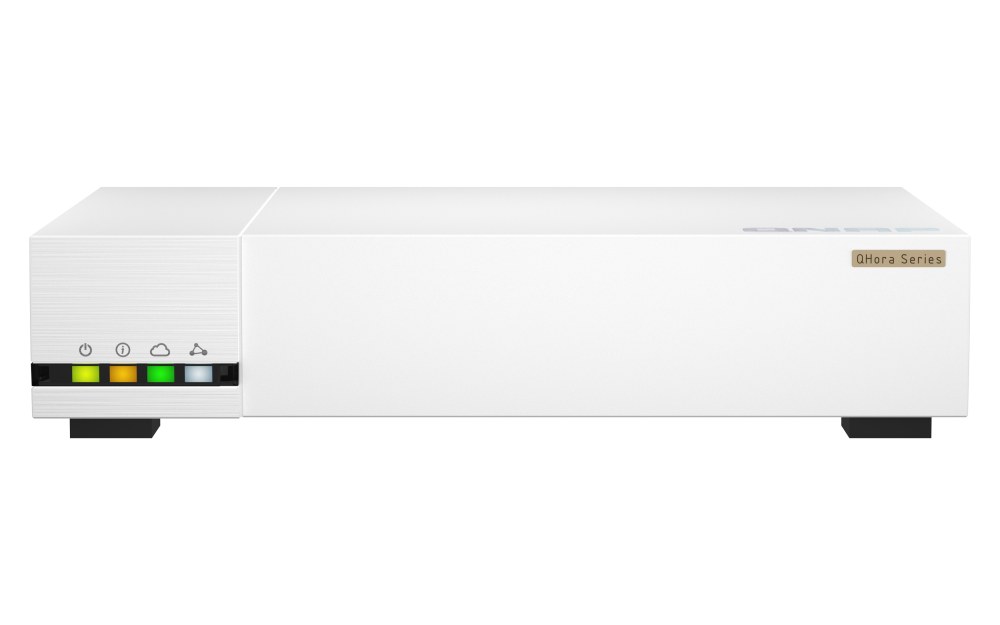
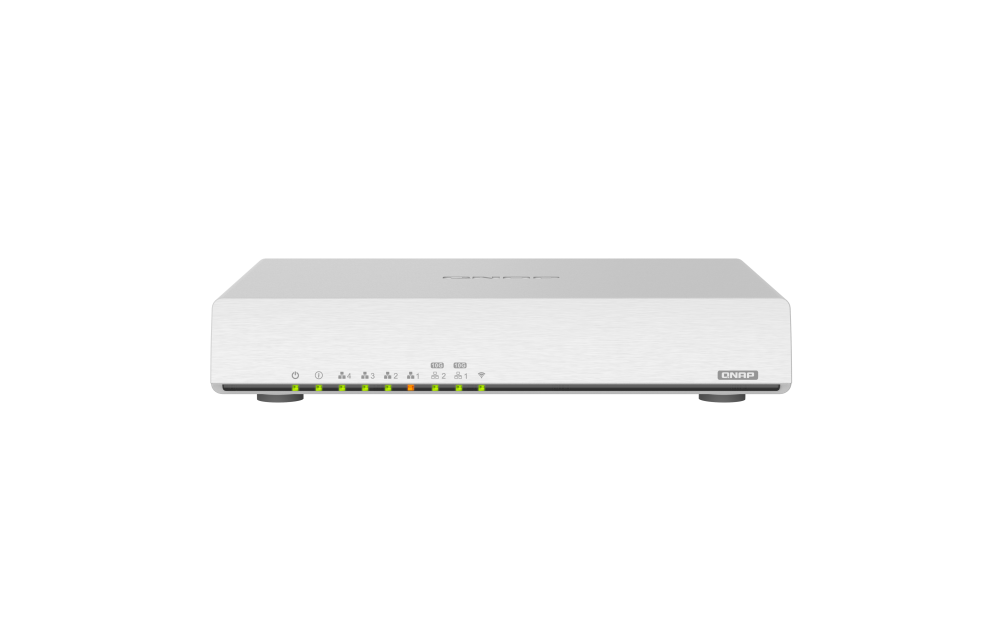
Always interesting on the WAN/LAN and NAT gateways...
100 Mb/Sec - Easy for a single core 650 MHz MIPS24K
1,000 Mb/Sec - that's a bit steeper, do it well with a Quad-core ARM Cortex-A53 at 2GHz
10,000 Mb/Sec - as you can see where this curve is going - clocks matter...
One looks at BSD and there's challenges at the moment, same goes with Linux.
That's not how that scales though and you should know this.
Plenty of 650-750 MHz SoCs can easily do Gigabit routing, as the MIPS architecture is better than ARM when it comes to routing, for some reason.
On top of that, any decent router SoC has, just like all other Arm based SoCs, dedicated co-processors that handle things like routing, which means the Arm processors are freed up to handle other tasks, like running the OS.
As such, 10 or 25 or even 100 Gbps is feasible on an Arm SoC, I mean how would those big Arm based servers do 100 Gbps otherwise?
It's obviously up to the SoC vendor to test and make sure it really works and to provide software support for the co-processor(s) to make sure it all works as intended. In the past, some companies have charged extra for this, which some router/device makers were unwilling to pay for and the end result was poor performance.
SoC Mhz have just about nothing to do with routing speeds.
Someone tested the older QHora-301W with a 10 Gbps ISP.
Couple of examples below, recent Broadcom SoC and a slightly older Qualcomm SoC.